

Sangeeta: A Project Lajja Story
More than 59.1% of adolescent girls in India are anaemic, meaning more than half of the nation's future is growing up exhausted, weakened, and held back. These statistics clearly aren’t a medical anomaly; it is much rather a direct reflection of what is on the dinner table, or rather, what is missing from it. Today, 3 in 4 Indian women suffer from low dietary iron intake, and while anaemia is easily dismissed as a harmless condition, it can affect energy levels, strength, cognitive function and most importantly, impair development, especially in adolescent girls.
Fourteen-year-old Sangeeta, a Class 9 student, is one such girl. Growing up in a remote village in Rajasthan’s Beawar, Sangeeta lives with her parents and three siblings. Her father works as a farmer, while her mother manages the household. Like many girls her age, Sangeeta balanced school with daily responsibilities at home, fetching water, helping her mother cook, and caring for her younger siblings.
For months, Sangeeta had been feeling constantly tired. Walking to school left her breathless, and she often struggled to concentrate in class. She never participated in sports. “I thought it was normal to feel weak,” she says softly. “Many of my friends also felt the same, so I never thought much about it.” With little awareness about anaemia or access to regular health check-ups, her condition remained undiagnosed, affecting virtually every facet of her life.
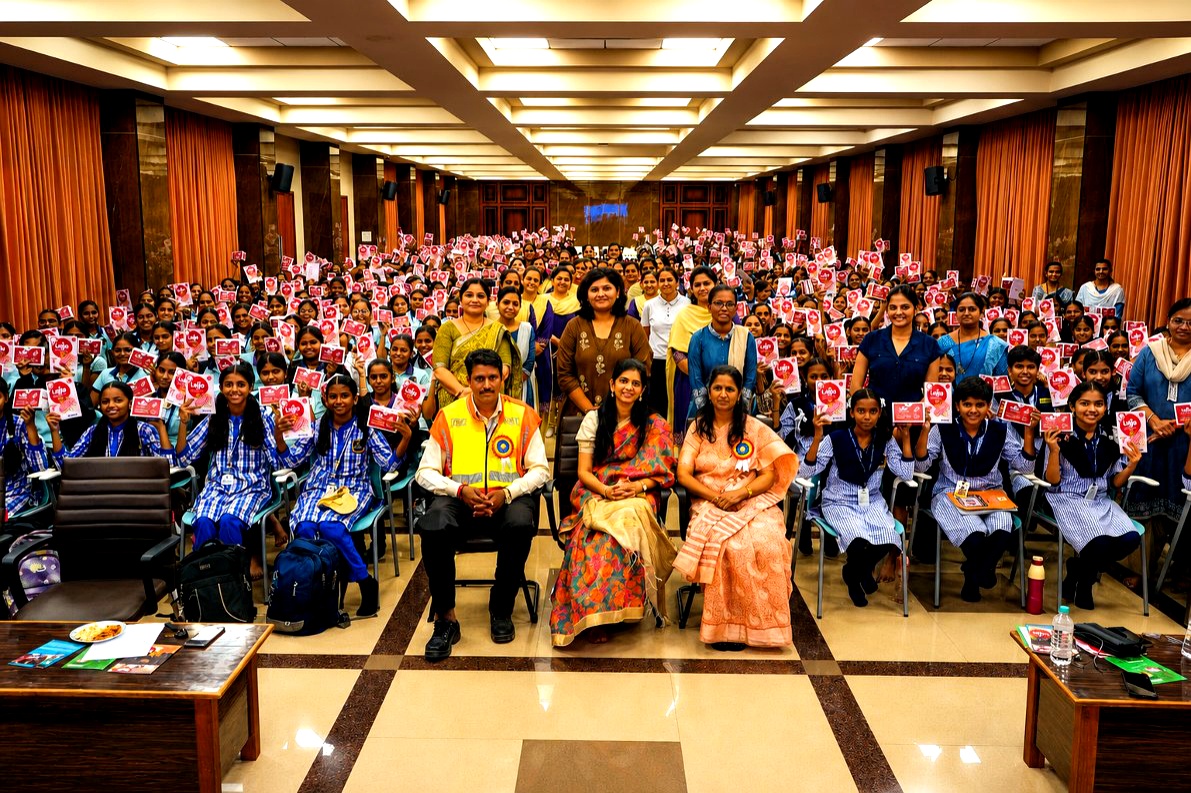
A medical camp organised under Project Lajja became a turning point for her when, for the first time, Sangeeta underwent a haemoglobin test, along with a basic health check-up that assessed her vitals and nutritional status.
The results revealed that she was moderately anaemic and that what she had dismissed as “normal weakness” was, in fact, a condition that required attention. Through one-on-one consultations, doctors explained her condition in simple terms, helping her understand the importance of iron in her diet and overall health. She was provided with iron and folic acid (IFA) supplements and guided on how to incorporate locally available, iron-rich foods into her meals.
“I didn’t know that the food we eat can make such a difference,” Sangeeta reflects. “Now I try to eat more green vegetables and take my tablets regularly.” While for most such camps, the presence of doctors is often intimidating, the Lajja initiative-led camps were tailored to be a safe and open environment where girls could speak freely about menstrual health and other conditions. For Sangeeta, this was just as important as the medical support. “I felt comfortable asking questions,” she recalled.
Over the following weeks, gradual but noticeable changes began to emerge. Sangeeta found herself less fatigued and more attentive in class. She began participating more actively in school activities and regained the energy to power through the day. Her teachers, too, noticed the difference.
Inspired by her experiences, Sangeeta dreams of becoming a nurse someday and spreading the joy of health. “I want to help other girls understand their health,” she says with quiet determination. “Many of us don’t know what is happening to our bodies.”
Sangeeta
Project Lajja